
Mayotte
French overseas department in the Indian Ocean with high poverty.
Mayotte (pronounced my-OT; known locally as Maore or Maori) is a French overseas department and region, holding the same status as any department in mainland France. It is also an outermost region of the European Union and part of the eurozone. The territory sits in the northern Mozambique Channel of the western Indian Ocean, off the coast of Southeastern Africa, between northwestern Madagascar and northeastern Mozambique. Its land spans 374 square kilometers (144 sq mi) and includes the main island of Grande-Terre (Maore), the smaller Petite-Terre (Pamanzi), and several surrounding islets. With an estimated 320,901 people as of January 2024, the population density is very high at 858 inhabitants per square kilometer (2,228 per sq mi). The largest city and prefecture is Mamoudzou on Grande-Terre, while the Dzaoudzi–Pamandzi International Airport lies on Petite-Terre.
French is the official language, spoken as a second language by 63% of those aged 14 and over according to the 2007 census. The native languages are Shimaore, the most common, and Kibushi, a Malagasy language with two dialects: Kibushi sakalava, closely tied to the Sakalava dialect of Madagascar, and Kibushi antalaotsi, linked to the Antalaotra dialect. Both have been influenced by Shimaore.
The islands were first settled from East Africa, with Arabs later arriving and bringing Islam. A sultanate was established in 1500, and today the vast majority of the population is Muslim. In the 19th century, Mayotte was conquered by Andriantsoly, a former king of Iboina on Madagascar, who sold the islands to France in 1841 under King Louis Philippe I. After the French Revolution of 1848, the Second French Republic abolished slavery, and laborers were imported to work the fields and plantations. When the nearby Comoros declared independence following a 1974 referendum, Mayotte chose to remain with France. It became the 101st department of France on March 31, 2011, and an outermost region of the European Union on January 1, 2014, after a March 2009 referendum strongly favored staying a French department. Illegal immigration became a major political issue in the 2010s and 2020s, leading to France’s Operation Wuambushu.
In 2019, the annual population growth rate was 3.8%, and half the population was under 17. Foreign nationals made up 48% of the population, most coming from the neighboring Comoros, often illegally. Though France’s poorest department, Mayotte is far wealthier than nearby East African countries, with developed French infrastructure and welfare systems that attract Comorans and others living in poverty. The department faces severe challenges: a 2018 INSEE report found over 83% of the population lives below the French poverty line (compared to 16% in mainland France), 40% of dwellings are corrugated metal shacks, 29% of households lack running water, and 34% of those aged 15 to 64 are unemployed. These conditions are especially acute among the large illegal migrant population living in shantytowns.
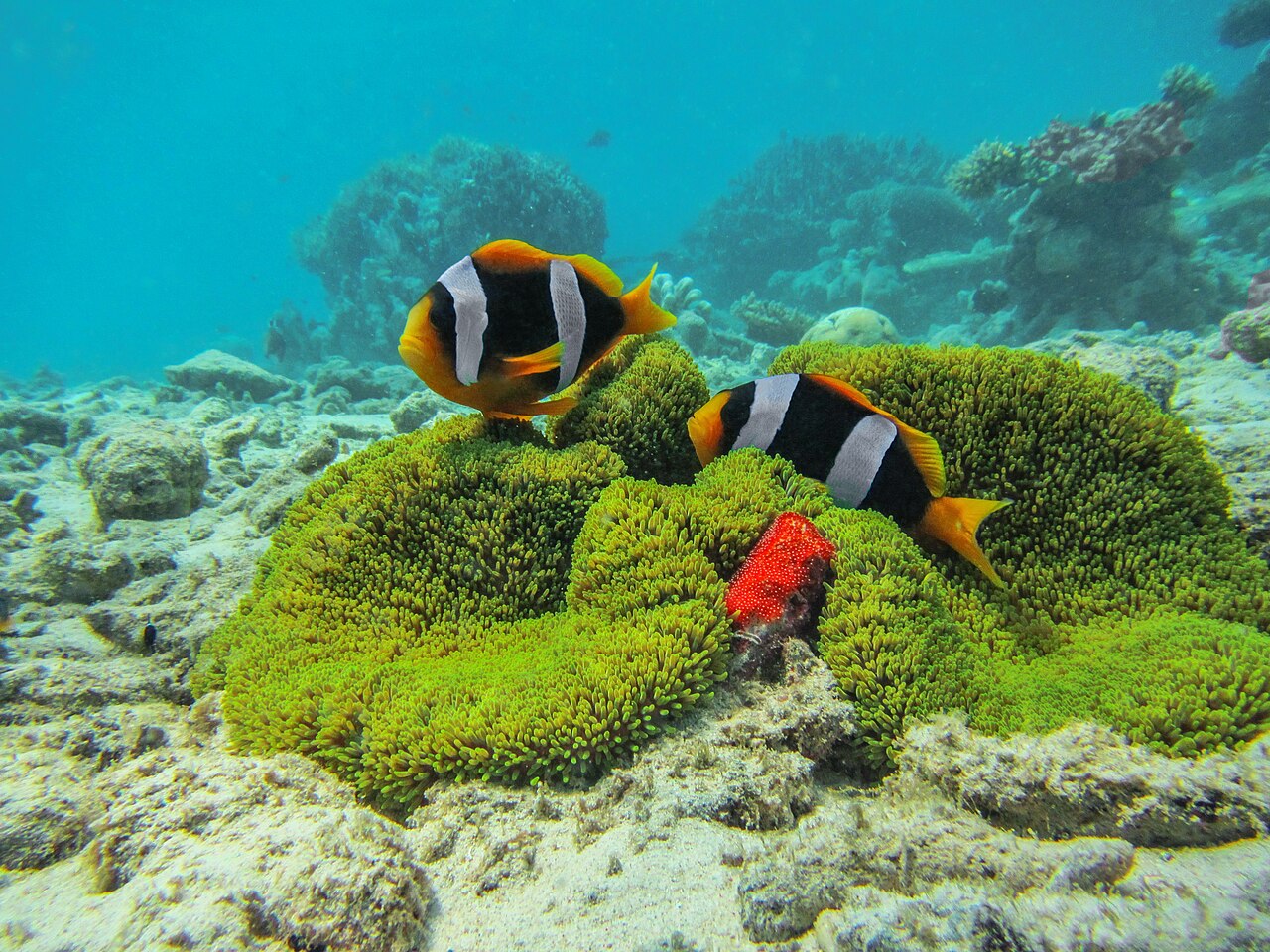
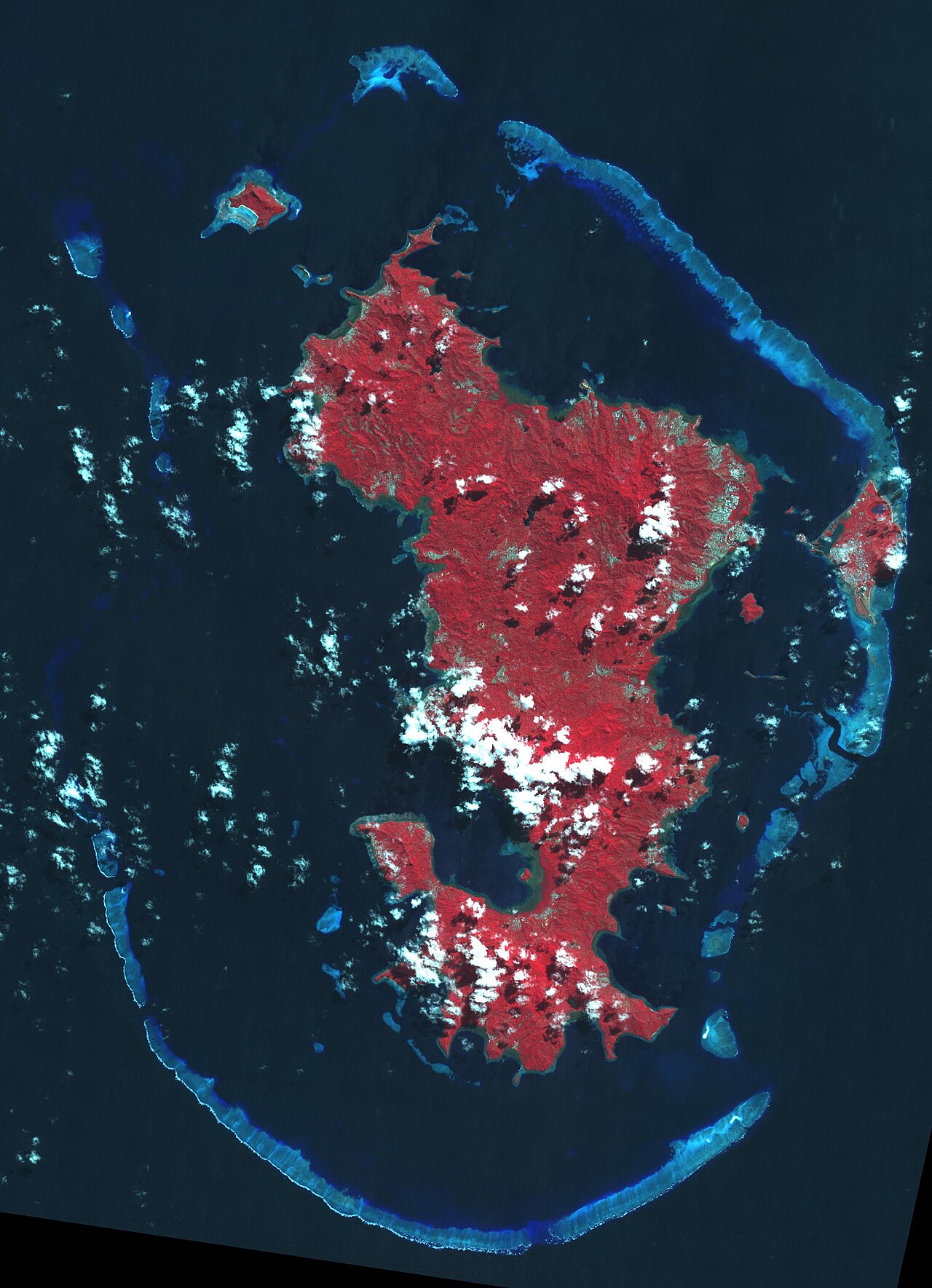
The name Mayotte (or Maore) may refer to all the department’s islands or just the largest. It is thought to come from the Arabic *Jazīrat al-Mawt* (“island of death”), possibly due to dangerous surrounding reefs, corrupted to *Mayotta* in Portuguese and later to French. However, the local name is Mahore, and the Arabic origin is uncertain. The main island, Grande-Terre, is the oldest of the Comoro Islands geologically, measuring 39 kilometers (24 mi) long and 22 kilometers (14 mi) wide, with its highest point at Mount Benara (660 meters, 2,165 ft). Volcanic rock makes the soil relatively rich in some areas. A coral reef encircles much of the island, protecting ships and providing fish habitat. Dzaoudzi, on Petite-Terre (10 square kilometers, 4 sq mi), was the capital of Mayotte and the colonial Comoros until 1977, when the capital moved to Mamoudzou on Grande-Terre. The lagoon behind the reef covers about 1,500 square kilometers (580 sq mi).
Lore & Background
The islands were populated from neighboring East Africa, with later Arab arrivals who brought Islam. The first sultanate on Mayotte is generally dated to the 15th or 16th century. After French sovereignty, slavery was abolished and laborers were imported. Mayotte consists of a main island, Grande-Terre (or Maore), and a smaller island, Petite-Terre (or Pamanzi), along with several surrounding islets. The main island is the oldest of the Comoro Islands, with volcanic soil that is relatively rich in some areas. A coral reef encircles much of Grande-Terre, creating a large lagoon described as the biggest barrier-reef-lagoon complex in the southwestern Indian Ocean. The highest point is Mount Benara. The capital is Mamoudzou on Grande-Terre, while the international airport is on Petite-Terre. The population is very dense, with over 320,000 people, and nearly half are foreign nationals, many from neighboring Comoros. French is the official language, but Shimaore and Kibushi, a Malagasy language with two dialects, are also spoken. The vast majority of the population is Muslim. Despite being France’s poorest department, Mayotte has developed French infrastructure and a welfare system, attracting immigrants. Over 80% of the population lives below the French poverty line, with many living in shacks and lacking running water.
Reader's Guide
Mayotte is significant as France's smallest overseas department and a unique case of a territory that chose to remain with a European power rather than join its newly independent neighbors. Its location in the Mozambique Channel gives it strategic importance, and its large barrier reef lagoon is one of the largest and deepest in the world. The department faces enormous challenges: over 83% of the population lives below the poverty line by French standards, 40% of dwellings are corrugated sheet metal shacks, 29% of households lack running water, and 34% of working-age inhabitants are unemployed. Illegal immigration, primarily from Comoros, is a major issue, with 48% of the population being foreign nationals. Despite being France's poorest department, Mayotte's French infrastructure and welfare system make it a destination for East Africans living in poverty. Operation Wuambushu was organized by France to address illegal immigration in the 2010s and 2020s.
Did You Know?
- Mayotte's name may come from the Arabic 'Jazīrat al-Mawt', meaning 'island of death', possibly due to dangerous reefs.
- The Dzaoudzi–Pamandzi International Airport is located on Petite-Terre, not the main island.
Gallery
More in Islands And Archipelagos 1-24
Spotted an error? Know more?
This is a living reference — every entry is fact-audited, and reader corrections feed straight into our audit queue. Suggest an edit · See this site's audit record