
Galápagos Islands
Volcanic archipelago whose endemic species inspired Darwin's theory of evolution.

via Wikipedia: Galápagos Islands · see source
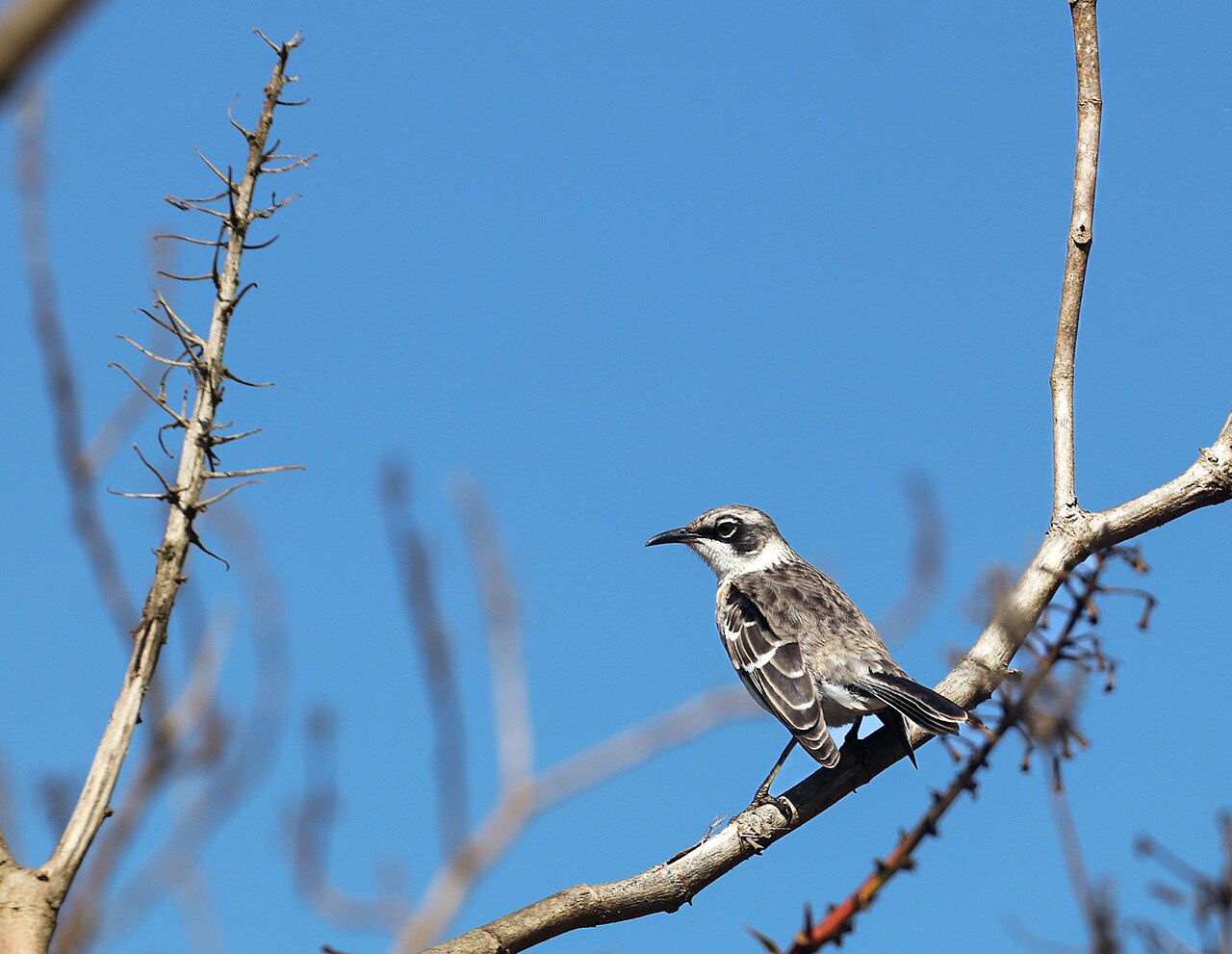
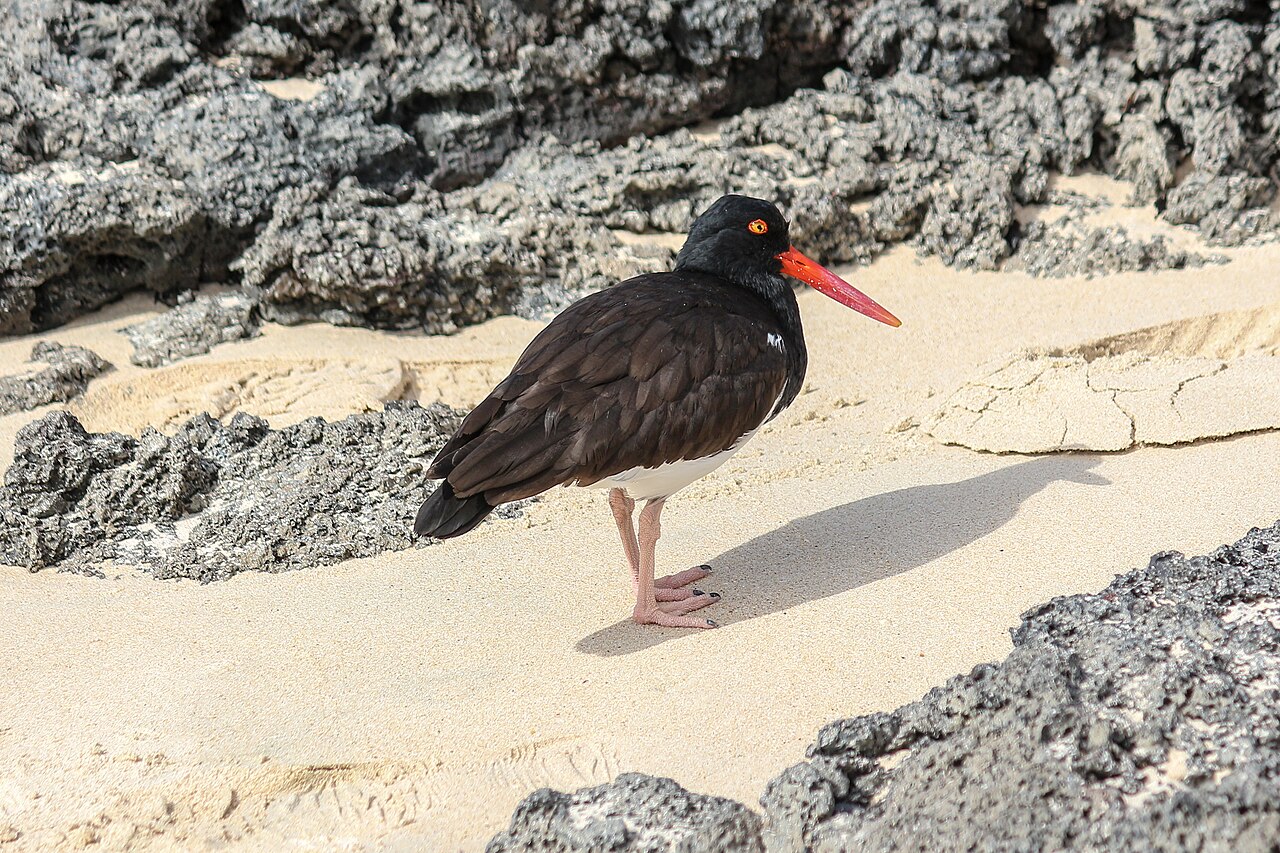
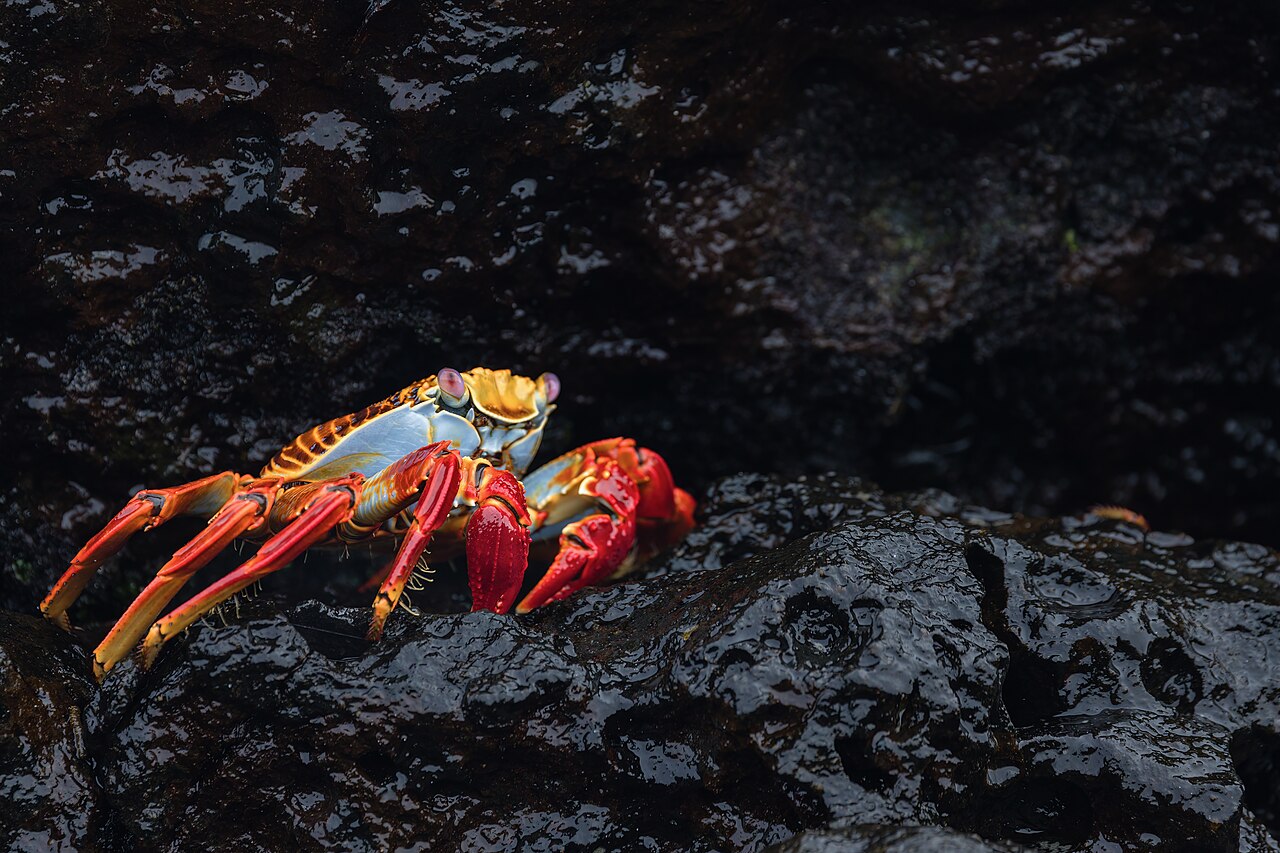
The Galápagos Islands are an archipelago of volcanic islands in the Eastern Pacific, located around the equator, 485 nautical miles west of the mainland of South America. They form the Galápagos Province of the Republic of Ecuador, with a population of slightly over 33,000 in 2020. The province is divided into the cantons of San Cristóbal, Santa Cruz, and Isabela, the three most populated islands in the chain. The Galápagos are famous for their large number of endemic species, which were studied by Charles Darwin in the 1830s and inspired his theory of evolution by means of natural selection. All of these islands are protected as part of Ecuador's Galápagos National Park and Marine Reserve.
- Highest point
- Volcán Wolf on Isabela, 1,700 meters
Verified Timeline
Lore & Background
There is no firm evidence that Polynesians or the Indigenous peoples of South America reached the islands before their accidental discovery by Bishop Tomás de Berlanga in 1535. If some visitors did arrive, poor access to fresh water on the islands seems to have limited settlement. The Spanish Empire similarly ignored the islands, although during the Golden Age of Piracy, various pirates used the Galápagos as a base to raid Spanish shipping along the Peruvian coast. The goats and black and brown rats introduced during this period greatly damaged the existing ecosystems of several islands. British sailors were chiefly responsible for exploring and mapping the area. Darwin's voyage on HMS Beagle was part of an extensive British survey of the coasts of South America. Ecuador, which won its independence from Spain in 1822 and left Gran Colombia in 1830, formally occupied and claimed the islands on 12 February 1832 while the voyage was ongoing. José de Villamil, the founder of the Ecuadorian Navy, led the push to colonize and settle the islands, gradually supplanting the English names of the major islands with Spanish ones. The United States built the islands' first airport as a base to protect the western approaches of the Panama Canal in the 1930s. After World War II, its facilities were transferred to Ecuador. With the growing importance of ecotourism to the local economy, the airport modernized in the 2010s, using recycled materials for any expansion and shifting entirely to renewable energy sources to handle its roughly 300,000 visitors each year.
Reader's Guide
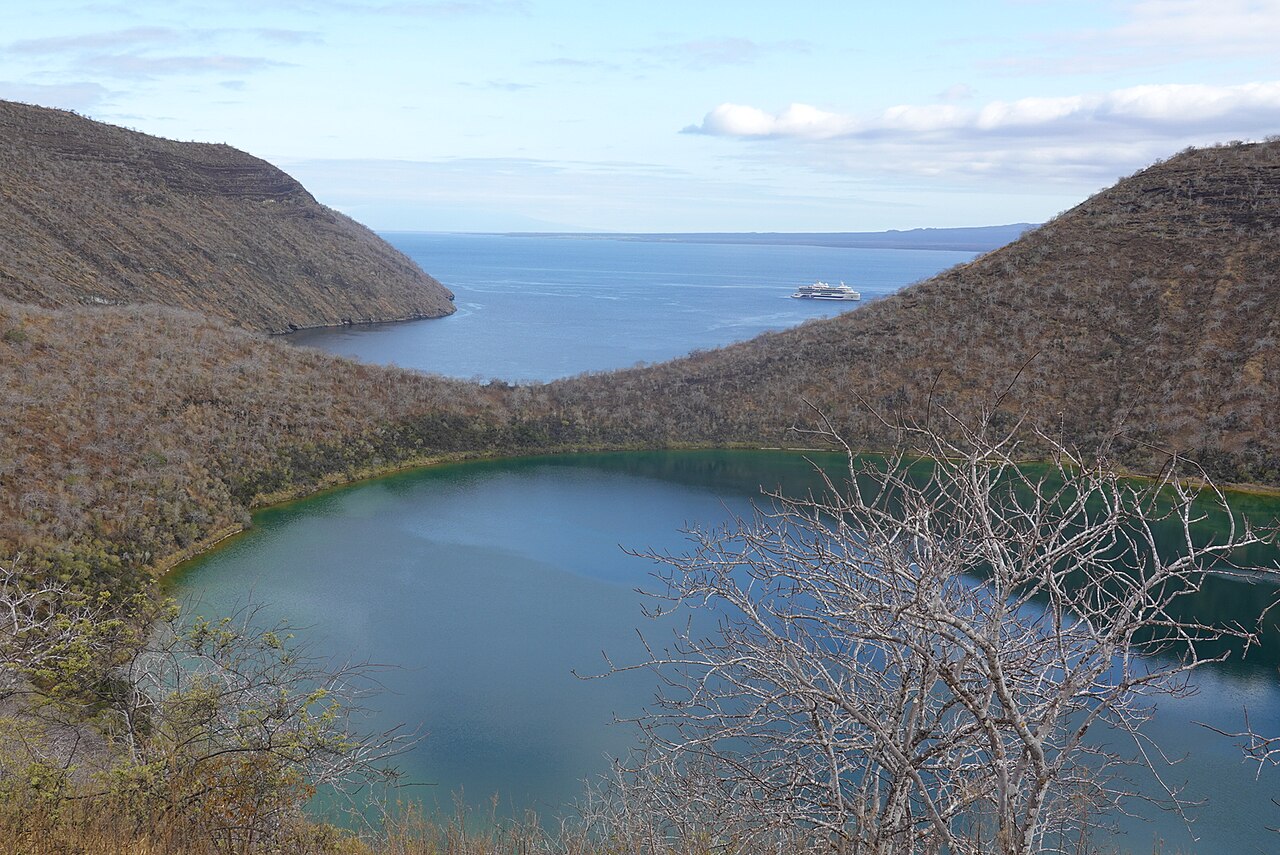
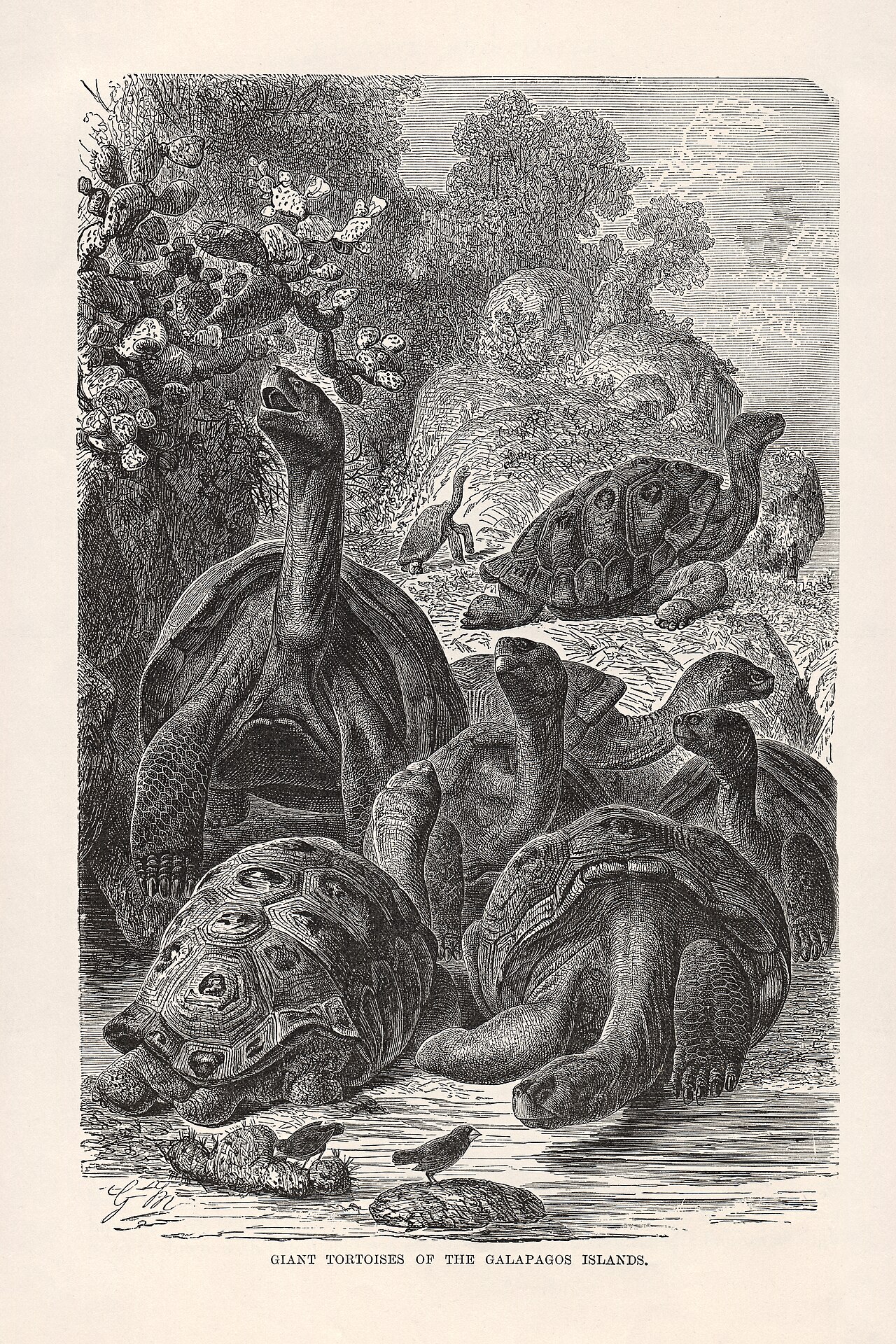
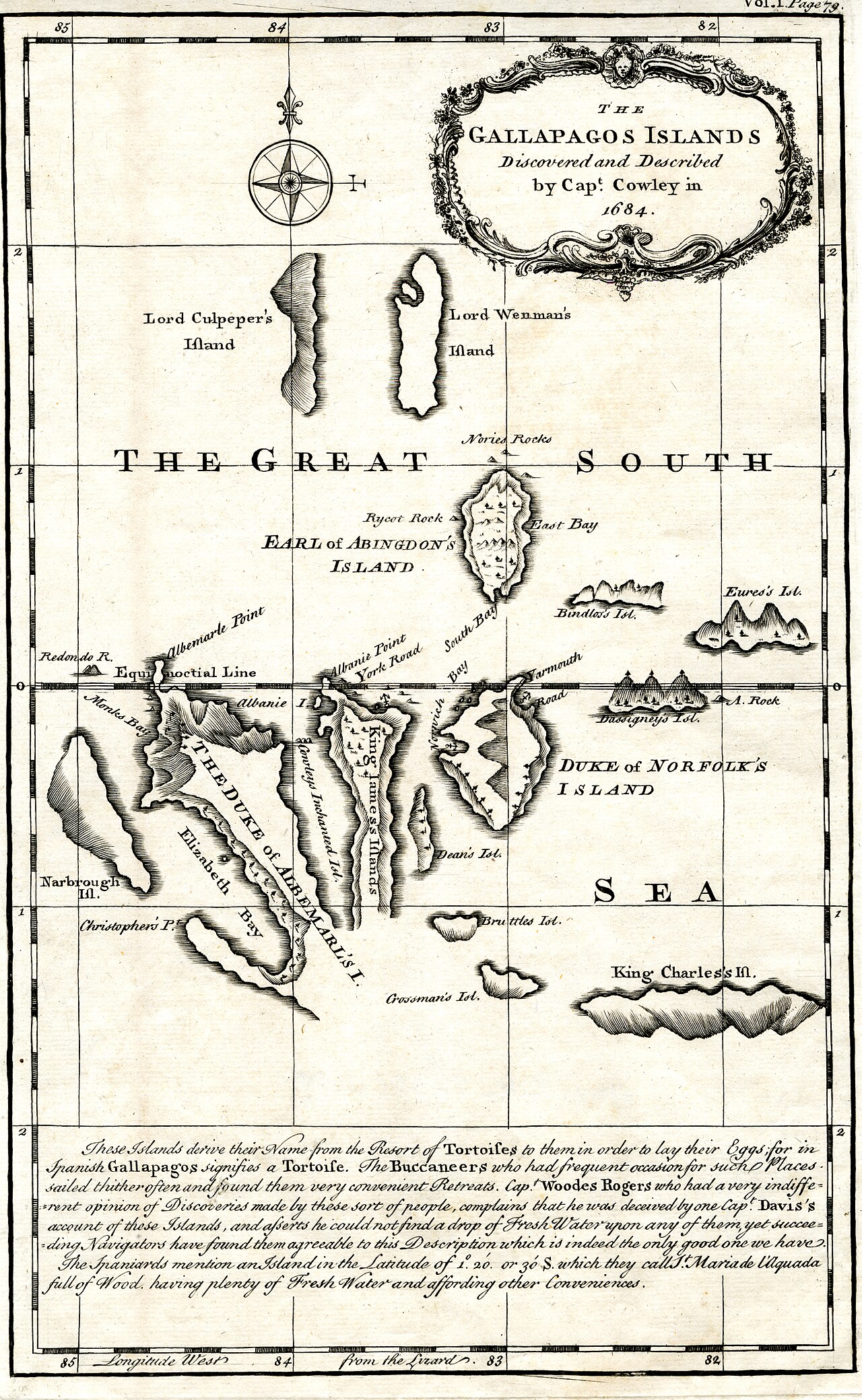
The Galápagos Islands take their name from their native giant tortoises, known in Spanish as 'galápagos' (derived from a pre-Roman Iberian word meaning 'turtle' or 'tortoise'). The name is first attested as the Spanish/Latin hybrid Insulae de los Galopegos ('Islands of the Turtles') on the map of the Americas in Abraham Ortelius's Theater of the Lands of the World, first published in 1570. Early sailors to the islands also dubbed them the 'Enchanted Isles' due to the difficulty in navigating the winds and currents around them. The islands were officially named the Ecuador Archipelago or Archipelago of the Equator following their annexation by Ecuador in 1832. In 1892, upon the quadricentennial of Christopher Columbus's first voyage, they were renamed the Colón or Columbus Archipelago, which remains their official title in Ecuadorian maps and state documents. The islands were mapped by the English buccaneer Ambrose Cowley in 1684 and the British naval officer Captain James Colnett in 1793. Both men named the archipelago's islands after British monarchs, noblemen, and Royal Navy officers. Over time, the English names were gradually replaced by Spanish names after Ecuador annexed the islands in 1832, but the English names remain in use in older sources. The Galápagos islands are located at the Galápagos triple junction. The archipelago is located on the Nazca plate, which is moving east/southeast, diving under the South American plate at a rate of about 2.5 inches per year. It is also atop the Galápagos hotspot, a place where the Earth's crust is being melted from below by a mantle plume, creating volcanoes. The first islands formed here at least 8 million and possibly up to 90 million years ago. The highest point in the islands is Volcán Wolf on Isabela, reaching an altitude of 1,700 meters. While broad shield volcanoes are found in the western islands of Isabela and Fernandina, smaller, more significantly eroded landforms are found in the eastern islands.
Did You Know?
- The Galápagos Islands take their name from the native giant tortoises, known in Spanish as 'galápagos', derived from a pre-Roman Iberian word meaning 'turtle' or 'tortoise'.
- The name is first attested as the Spanish/Latin hybrid 'Insulae de los Galopegos' on Abraham Ortelius's 1570 map.
- Early sailors dubbed the islands the 'Enchanted Isles' due to the difficulty in navigating the winds and currents around them.
- The islands were officially renamed the Colón or Columbus Archipelago in 1892, upon the quadricentennial of Christopher Columbus's first voyage.
- The United States built the islands' first airport in the 1930s as a base to protect the western approaches of the Panama Canal.
Gallery
Frequently Asked Questions
What are the Galápagos Islands?
The Galápagos Islands are a volcanic archipelago sitting right along the equator in the Eastern Pacific, roughly 485 nautical miles off the coast of South America. They belong to Ecuador as the Galápagos Province and are home to just over 33,000 residents.
What are the Galápagos Islands known for?
They are world-famous for their extraordinary collection of species found nowhere else on Earth, which Charles Darwin observed during his 1830s visit. Those unique creatures directly shaped his groundbreaking theory of evolution through natural selection.
How does the Galápagos Islands' story end?
Today the entire archipelago is locked in as Ecuador's Galápagos National Park and Marine Reserve, ensuring its wildlife remains shielded from outside disruption. The islands continue to exist as a living laboratory where evolution is still visibly at work.
Why are the Galápagos Islands important?
They provided the empirical foundation for one of science's most transformative ideas—natural selection—by showcasing how isolated geography drives species to diverge. Their protected status also makes them a critical reference point for conservation biology worldwide.
What is the highest point on the Galápagos Islands?
Volcán Wolf on Isabela Island tops the archipelago at 1,707 meters above sea level. It is an active volcanic peak, consistent with the islands' volcanic origin.
More in Islands And Archipelagos 1-24
Elsewhere in the Islands And Archipelagos universe
Spotted an error? Know more?
This is a living reference — every entry is fact-audited, and reader corrections feed straight into our audit queue. Suggest an edit · See this site's audit record