
French Polynesia
French overseas collectivity in the South Pacific Ocean.

via Wikipedia: French Polynesia · see source
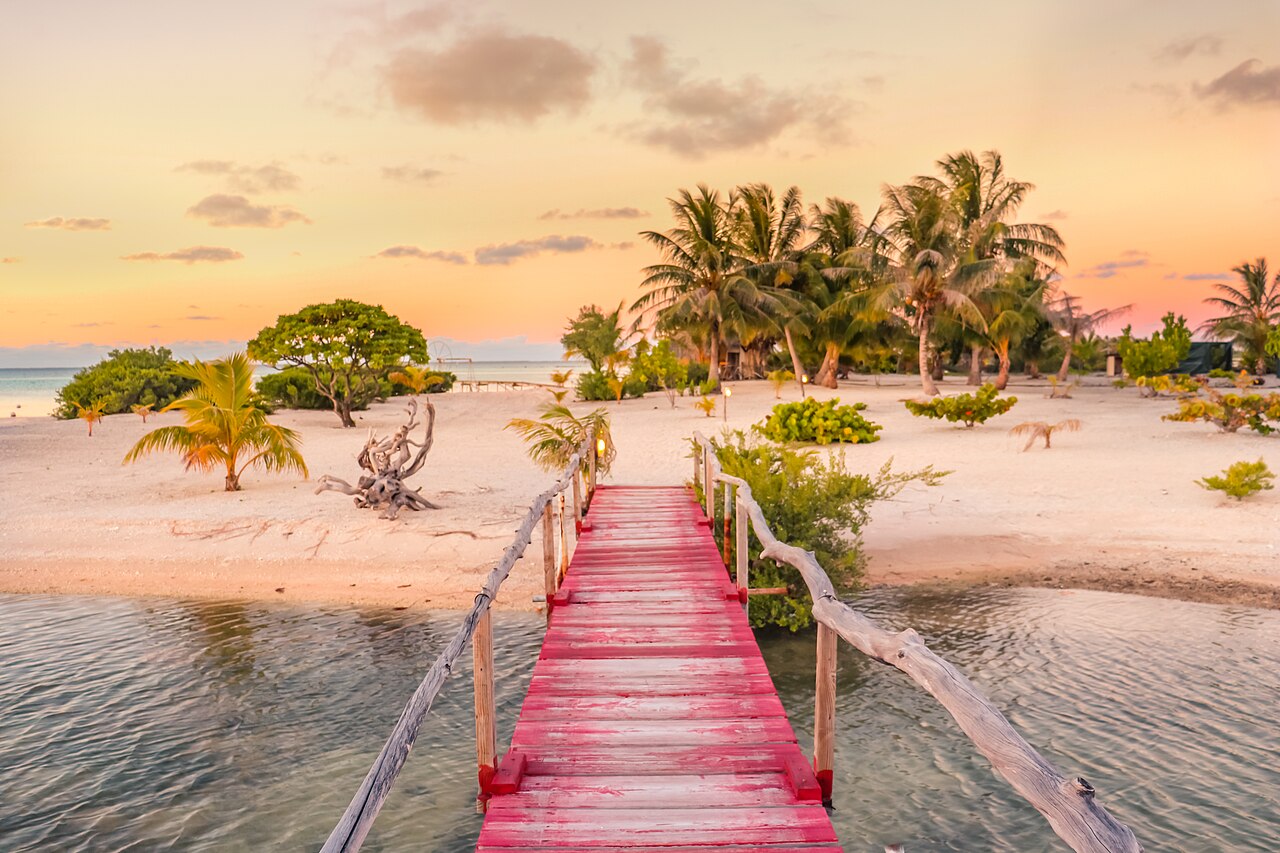
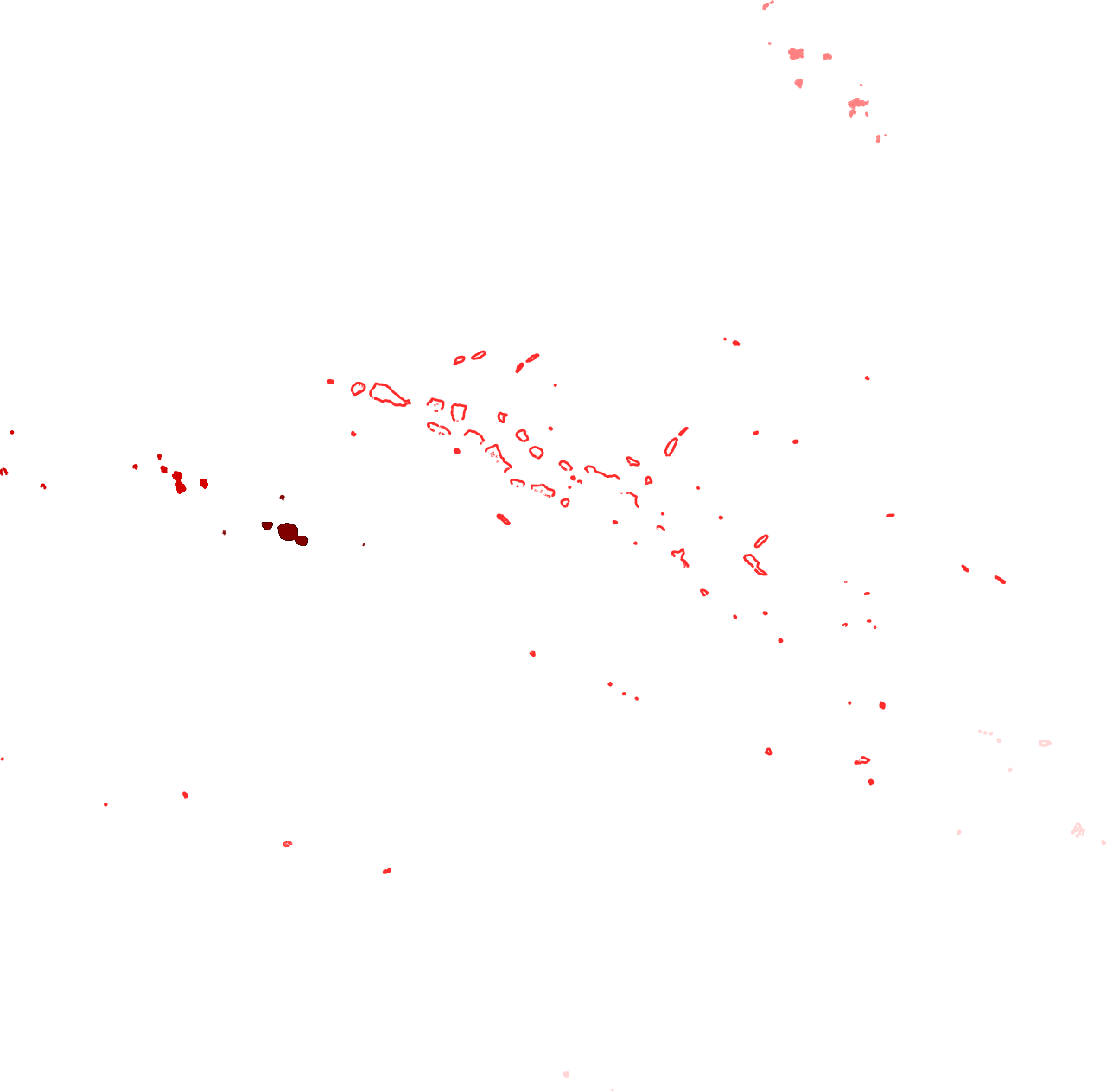
French Polynesia is an overseas collectivity of France and its sole overseas country, classified as a non-self-governing territory by the United Nations. It comprises 121 geographically dispersed islands and atolls stretching over more than 2,000 kilometres in the South Pacific Ocean. The total land area is 3,521 square kilometres, with a population of 282,596 as of September 2025, of which at least 205,000 live in the Society Islands. French Polynesia is divided into five island groups: the Austral Islands, the Gambier Islands, the Marquesas Islands, the Society Islands (comprising the Leeward and Windward Islands), and the Tuamotus. Among its 121 islands and atolls, 75 were inhabited at the 2017 census. Tahiti, in the Society Islands, is the most populous island, home to nearly 69% of the population as of 2017. Papeete, located on Tahiti, is the capital.
- population
- 282,596 (September 2025)
Verified Timeline
Lore & Background
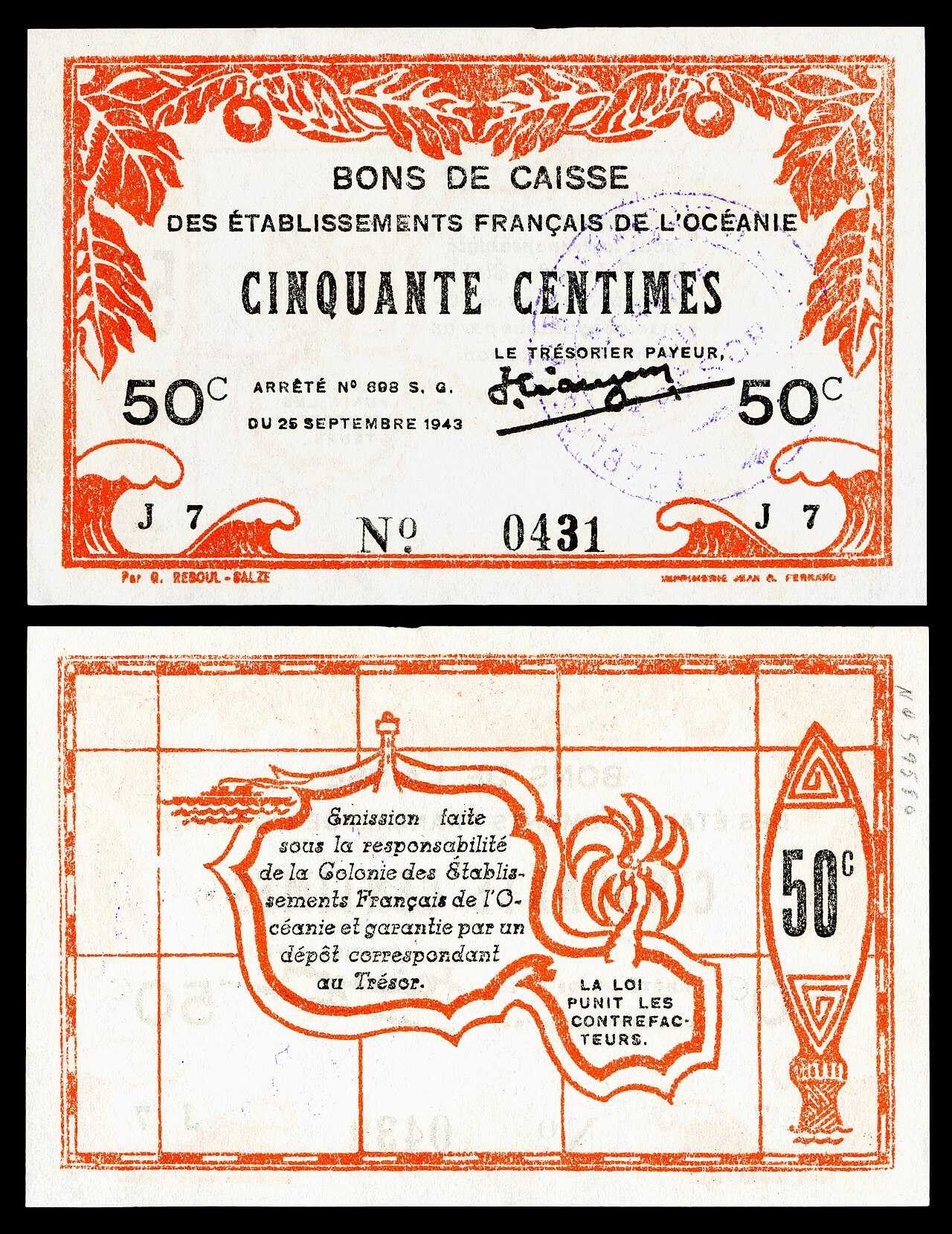
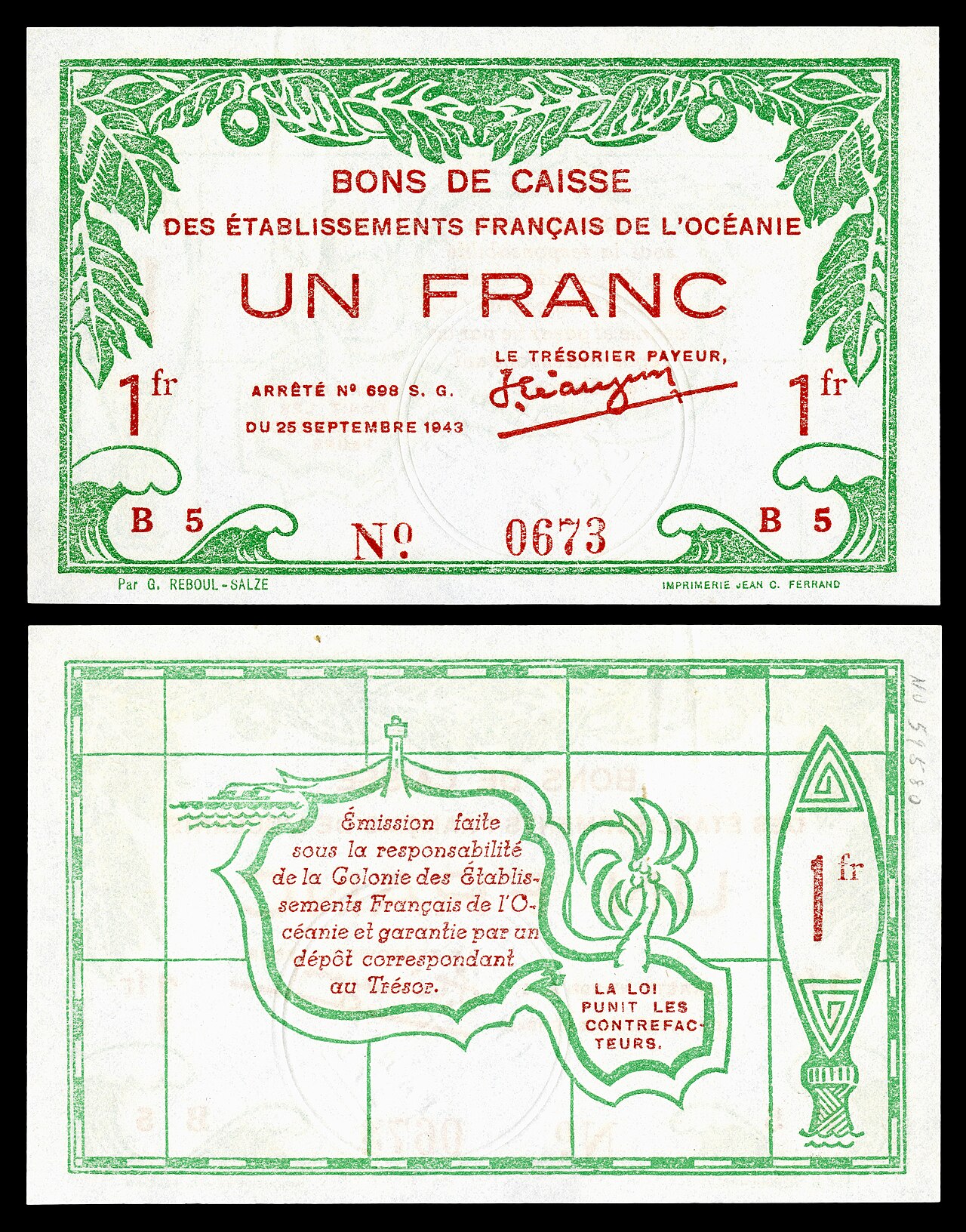
Hundreds of years after the Great Polynesian Migration, European explorers began traveling through the region. In 1842, the French took over the islands and established a French protectorate called Établissements français d'Océanie. In 1946, the EFO became an overseas territory under the constitution of the French Fourth Republic, and Polynesians were granted the right to vote through citizenship. In 1957, the territory was renamed French Polynesia. Since 28 March 2003, French Polynesia has been an overseas collectivity of the French Republic, and later gained, with law 2004-192 of 27 February 2004, an administrative autonomy, two symbolic manifestations of which are the title of the President of French Polynesia and its additional designation as an overseas country. In 1983, it became a member of the Pacific Community.
Reader's Guide
French Polynesia's significance includes its classification as a non-self-governing territory by the United Nations, making it eligible for a UN-backed independence referendum. It was relisted in the UN list in 2013 after indigenous opposition was voiced and supported by the Polynesian Leaders Group, Pacific Conference of Churches, Women's International League for Peace and Freedom, Non-Aligned Movement, World Council of Churches, and Melanesian Spearhead Group. Its history includes early European encounters: Portuguese explorer Ferdinand Magellan sighted Puka-Puka in 1521; British explorer Samuel Wallis visited Tahiti in 1767; French explorer Louis Antoine de Bougainville visited in 1768; and British explorer James Cook arrived in 1769. France's early nuclear testing ground in Algeria became unusable when Algeria became independent, and the Moruroa atoll in the Tuamotu Archipelago was selected as the new testing site in 1962. Nuclear tests were conducted underground after 1974. The last test was on 27 January 1996 at Fangataufa atoll. French Polynesia is associated with the European Union as an overseas country and territory.
Did You Know?
- French Polynesia comprises 121 geographically dispersed islands and atolls, of which 75 were inhabited at the 2017 census.
- The first islands of French Polynesia to be settled were the Marquesas Islands in about 200 BC.
- In 1842, Tahiti and Tahuata were declared a French protectorate to allow Catholic missionaries to work undisturbed.
- French Polynesia was relisted in the United Nations list of non-self-governing territories in 2013, making it eligible for a UN-backed independence referendum.
- The last French nuclear test in French Polynesia was on 27 January 1996 at Fangataufa atoll.
Gallery
Frequently Asked Questions
What is French Polynesia?
French Polynesia is a French overseas collectivity situated in the South Pacific Ocean, composed of 121 scattered islands and atolls spread across more than 2,000 kilometers of open sea. The United Nations classifies it as a non-self-governing territory.
How many islands make up French Polynesia?
The archipelago contains 121 individual islands and atolls with a combined land area of 3,521 square kilometers. These landmasses are organized into five distinct island groups stretching across the South Pacific.
What are the five island groups of French Polynesia?
The territory is divided into the Austral Islands, the Gambier Islands, the Marquesas Islands, the Society Islands, and the Tuamotus. Each group carries its own geographic identity within the broader archipelago.
How many people live in French Polynesia?
The 2022 census recorded a population of 278,786 residents across the islands. Papeete serves as the capital and administrative hub of the collectivity.
What is French Polynesia's political status?
It operates as both an overseas collectivity of France and an overseas country (pays d'outre-mer) within that legal framework. The United Nations lists it as a non-self-governing territory, setting it apart from fully sovereign states.
More in Islands And Archipelagos 1-24
Elsewhere in the Islands And Archipelagos universe
Spotted an error? Know more?
This is a living reference — every entry is fact-audited, and reader corrections feed straight into our audit queue. Suggest an edit · See this site's audit record