
Martinique
French Caribbean island with volcanic heritage and biosphere reserve status.

OttavianoUrsu · Public domain
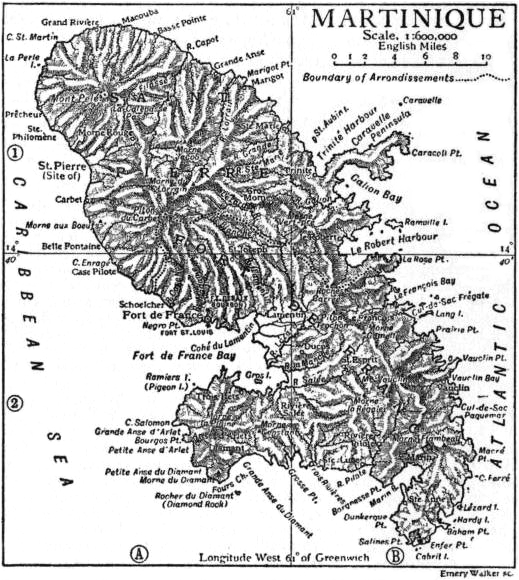
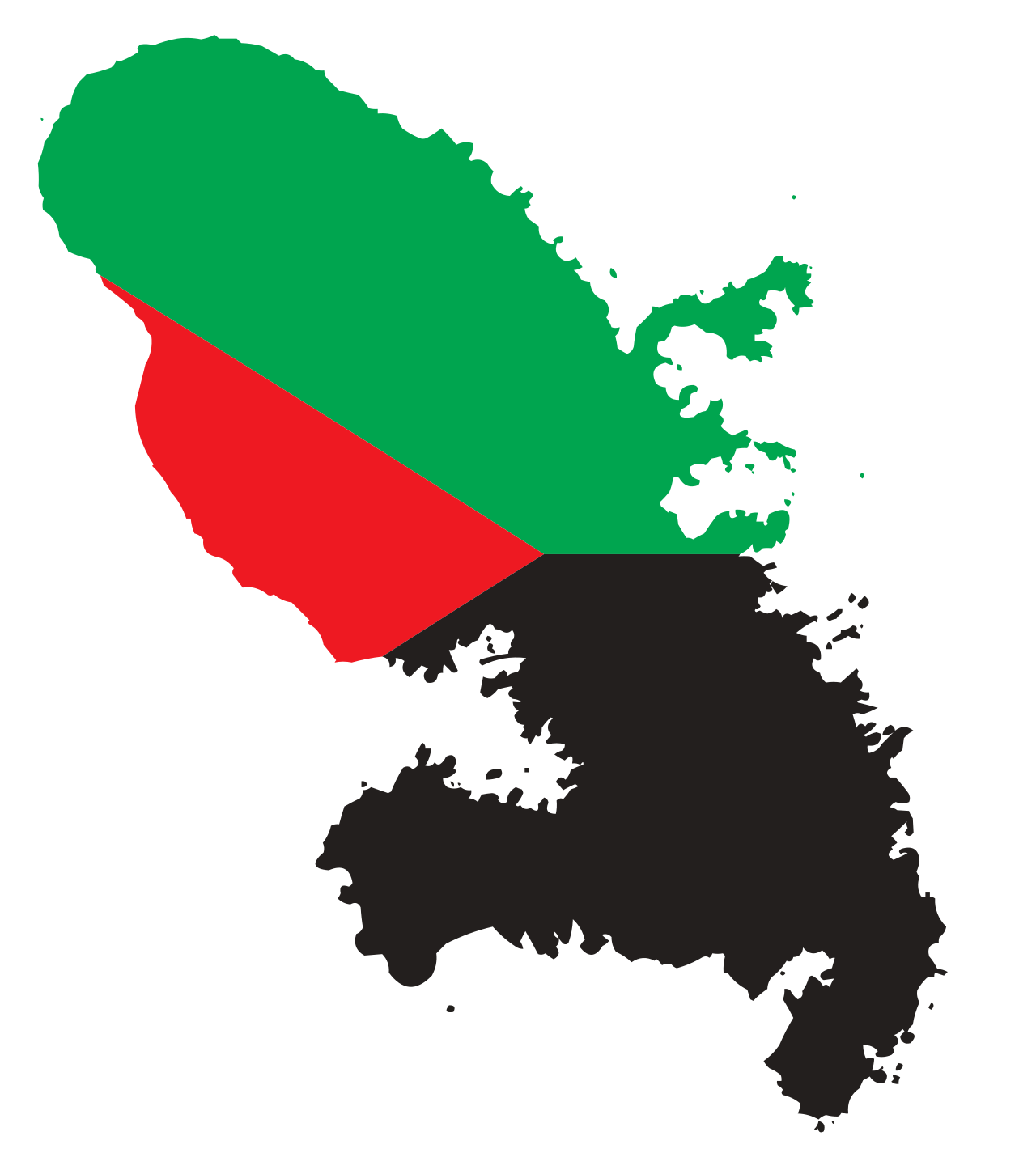
Martinique is an island in the Lesser Antilles of the West Indies, in the eastern Caribbean Sea. It is an overseas department and region of France and a single territorial collectivity, part of the European Union as an outermost region.
- location
- Lesser Antilles, eastern Caribbean Sea
- official_language
- French
- currency
- Euro
- status
- Overseas department and region of France
Lore & Background
Martinique was first occupied by the Saladoid people in the 1st century AD, then by the Kalinago around the 11th century. Vincent. Sugar plantations worked by enslaved Africans were already present by the 1640s.
Reader's Guide
Martinique's significance lies in its long colonial history under France and its role in the sugar and coffee trades. The island's cultural identity is shaped by its French and Creole heritage, with virtually the entire population speaking both French and Martinican Creole. Its UNESCO designations highlight its natural and geological importance, including the volcanoes and forests of Mount Pelée and the Pitons du Carbet.
Did You Know?
- Martinique is thought to be a corruption of the Indigenous name Madiana or Madinina, meaning 'island of flowers'.
Geography, Political Identity & UNESCO Recognition
Martinique sits in the eastern Caribbean Sea as one of the Windward Islands in the Lesser Antilles, positioned directly north of Saint Lucia, northwest of Barbados, and south of Dominica. It functions simultaneously as an overseas department and region of France, a single territorial collectivity, and an outermost region of the European Union within the European Economic Area's special territories. Yet it falls outside both the Schengen Area and the EU Customs Union. The euro serves as its currency. Linguistically, virtually the entire population is bilingual in French—the sole official language—and Martinican Creole.
Indigenous Roots & the Island's Many Names
Long before European ships appeared on the horizon, Martinique was home to successive Indigenous communities. The Saladoid arrived from the Orinoco Basin in South America during the first century AD, followed around the eleventh century by the Kalinago, who came from the Venezuelan coast. The island's very name carries echoes of these early peoples. These layered names and stories anchor the island's identity far beyond its French colonial narrative.
Colonial Foundations & the Huguenot Tragedy
That September, Pierre Belain d'Esnambuc—driven off St. Kitts by the English—landed at St. Vincent. Among the earliest settlers were many Huguenots seeking religious freedom, some of whom had been transported as punishment for refusing Catholic conversion.
A Crossroads for Pirates & Privateers
Martinique's strategic position in the Caribbean made it a magnet for maritime adventurers. Under Governor Charles de Courbon, comte de Blénac, the island served as a home port for French pirates, including Captain Crapeau, Étienne de Montauban, and Mathurin Desmarestz. The island's name even appeared on the flags of notorious buccaneers. These episodes underscore how the island's harbor and its position among the Windward Islands made it a crossroads where colonial authority, privateering, and the brutal economics of the slave trade all intersected in the early eighteenth century.
Gallery
More in Islands And Archipelagos 25-37
Elsewhere in the Islands And Archipelagos universe
Spotted an error? Know more?
This is a living reference — every entry is fact-audited, and reader corrections feed straight into our audit queue. Suggest an edit · See this site's audit record